By Jordan Horniak, MA, LADC-S, CPT, CES, FNS
Whether you’re new to the weight room or a seasoned lifter, gym etiquette is one of those things nobody formally teaches you — but everyone expects you to know. Miss the memo, and you’ll earn eye rolls, passive aggression, and maybe a strongly-worded tap on the shoulder. Get it right, and the gym becomes a better place for everyone.
This guide breaks down both the spoken rules (the ones posted on the wall) and the unspoken ones (the ones that really matter).
The Basics: Rules Everyone Should Follow
Before we get into the nuanced stuff, here are the fundamentals. None of these should surprise you:
- Put equipment back where it belongs. We want to keep the space clean and uncluttered.
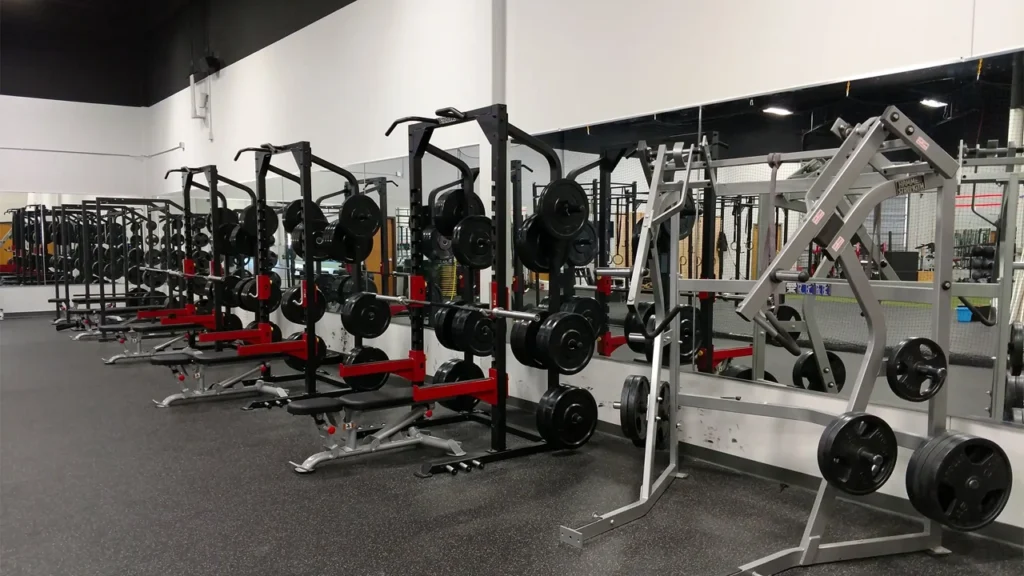
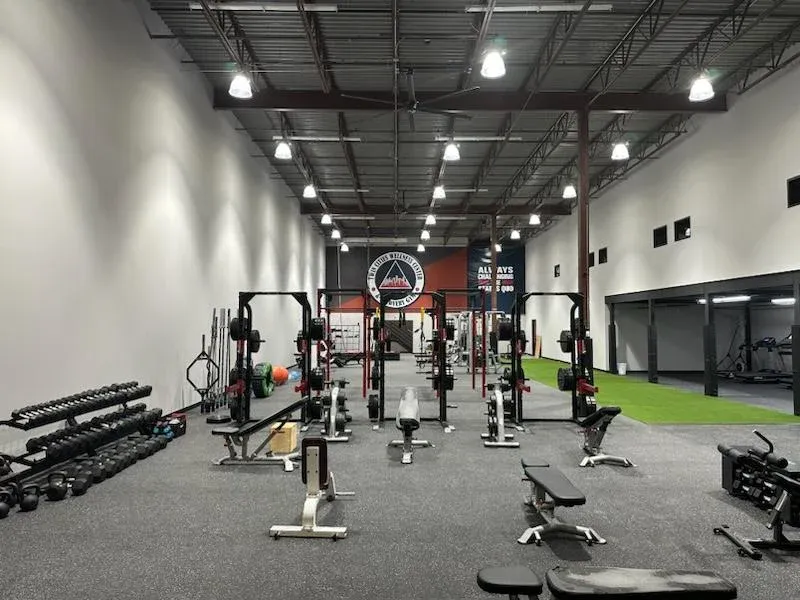
- Don’t hog equipment. Squat racks and bench presses are in high demand. If you’re using one, actually use it — not as a backdrop for selfies.
- Wipe things down. Your sweat belongs on a towel, not on the machine the next person sits on.
- Respect personal space. Crowded gyms are a reality, but working too close to someone isn’t just uncomfortable — it’s genuinely dangerous.
- Plan your workouts ahead of time. Knowing what you’re doing before you walk in saves you time and keeps you out of everyone else’s way.
- Bring a towel. Honestly, bring two.
The Unspoken Rules (The Real Gym Code)
These are the things nobody posts on a sign, but violate them and you’ll quickly become that person in the gym.
1. Pay Attention to Yourself
Here’s a truth that will free you: nobody is watching you. Everyone in the gym is far too worried about how they look to pay attention to you. If someone does glance your way, they either like your form, find you attractive, or are quietly concerned you’re about to drop something on your foot. That’s it. Lift with confidence.
2. Gym Hygiene Is Non-Negotiable
Nobody wants to work out next to someone whose odor could clear a room. It sounds obvious, but: shower before (or at least use deodorant), and wear clean clothes. This is a shared space, and the people within a 15-foot radius of you will silently thank you.
3. Sharing Equipment — The Art of Working In
The equipment belongs to everyone. If you’re resting between sets, stand up and step a few feet away from the machine — this signals to others that you’re using it but they’re welcome to jump in. Most experienced gym-goers understand this system.
A few important nuances:
- Stack-loaded machines should almost always allow someone to work in. Change the weight, do your set, change it back.
- Plate-loaded bars (squat rack, bench, deadlift platform) are yours while in use. Don’t ask to work in unless you plan to use the exact same weight.
- Free weights are shareable, but there’s more finesse involved. When in doubt, ask.
The goal is to be polite yet assertive. You have as much right to be there as anyone else.
4. Sanitizing: The Post-COVID Reality
The old rule was simple: if you sweat on it, wipe it down. That’s still the baseline. Use your judgment based on how busy the gym is — the busier it is, the more diligent you should be. And don’t forget the free weights and plates. Ironically, those are what hands touch most, yet they’re the most commonly skipped.
5. Making Noise — Keep It Proportional
Grunting during a tough set? Totally acceptable. Emitting sounds that could be mistaken for a distressed animal on every rep of the calf raise machine? Not so much.
Ask yourself honestly: Am I making noise because this lift is genuinely hard, or am I performing for an audience? If it’s the latter, that’s worth reflecting on. Genuine effort deserves real expression — but the gym doesn’t need a soundtrack.
6. The Mirror Is a Training Tool, Not a Vanity Station
Those mirrors aren’t there so you can check yourself out (well, not only for that). They’re there to help you analyze your form — are your knees caving during squats? Are you engaging the right muscles? Use them for that purpose.
More importantly: don’t walk through someone else’s mirror space while they’re mid-set. The zone between a lifter and the mirror they’re using is sacred territory. If someone is actively repping in front of a mirror, wait until they finish before crossing that space. Stepping in front of someone mid-set is the equivalent of a tall person sitting directly in front of you at the movies. Don’t do it.
7. Use a Spotter When You Need One
If you’re pushing near your max — especially on bench press or squat — get a spotter. Nobody wins when a bar comes down on someone who had no business attempting a 1-rep max alone. Ask someone, use safety racks, or modify the lift. Your ego is not worth a trip to the ER.
8. “Toning” vs. “Bulking” — Let’s Clear This Up
One of the most persistent myths in the gym: “I don’t want to get bulky, I just want to tone.” Here’s the truth — you can’t “tone” a muscle that isn’t developed. To get definition, you need to build muscle first, and that requires progressively overloading your muscles with more weight over time.
For the vast majority of women, the fear of becoming “bulky” from strength training is simply unfounded. Developing significant bulk requires years of dedicated training, a caloric surplus, and often hormonal factors that most people don’t have. What most people will get from lifting heavier is better definition, improved metabolism, and a body composition they feel better in. The scale might not change much — but how you feel and how your clothes fit will.
9. Wear Proper Footwear
Closed-toe athletic shoes, full stop.
10. Claiming Your Space and Equipment
When super-setting between two pieces of equipment, designate one as your “primary” (the plate-loaded bar, the squat rack) and one as your “secondary” (a bench, a pair of dumbbells). Leave a towel or water bottle on the floor near the secondary equipment — not on it. This signals “I’m using this, but you can work in” rather than “this is mine, back off.”
11. Rubber Plates Exist for a Reason
The rubber-coated plates near the lifting platforms are there to protect both the platform and the lifter. Use them for any exercise where the weight contacts the floor — deadlifts, cleans, etc. And unless you’re genuinely maxing out or in danger, control the bar on the way down. Dropping the weight skips the eccentric (lowering) phase of the lift — which is half the exercise and arguably the more important half for muscle development. Most people dropping weights in commercial gyms are simply making noise. Don’t be that person.
12. Slow and Controlled Beats Fast and Sloppy — Every Time
Speed through a rep and your body’s momentum does the work, not your muscles. Moving slowly and deliberately through the full range of motion forces the target muscles to actually engage. This is how you make real progress. People who swing through reps for years and wonder why nothing changes are, unfortunately, working against themselves.
13. Know the Difference Between Resting and Just Sitting There
Rest periods exist for a reason — your muscles need brief recovery time between sets (typically 15–90 seconds). That’s fine. What’s not fine is sitting on a machine for five minutes scrolling your phone and calling it “resting.” That’s not resting. That’s hoarding equipment. Real rest is brief, purposeful, and doesn’t involve being completely disengaged from your workout.
14. Chalk Belongs in Powerlifting Gyms
Unless you’re training at a specialized facility, leave the chalk at home. If you must use it, clean up after yourself — completely. The gym staff is not responsible for your mess, and neither is anyone else.
15. Find a Good Gym Buddy
A great gym buddy is more than just a workout partner. They push you when you need it, back off when you need that too, spot you safely, and show up consistently. They don’t judge you for where you’re starting, and they meet you where you are. If you find one, hold onto them. Communicate openly, respect each other’s boundaries, and lift each other up — literally and figuratively.
The Bottom Line
Great gym etiquette isn’t about memorizing an exhaustive list of rules. It’s about showing up with awareness and respect — for the equipment, for the space, and for the people sharing it with you.
Be proactive. Clean up after yourself. Help people who don’t know better. Be polite, yet assertive. Ask questions. Listen.
And above all: progress, not perfection.
Happy lifting.