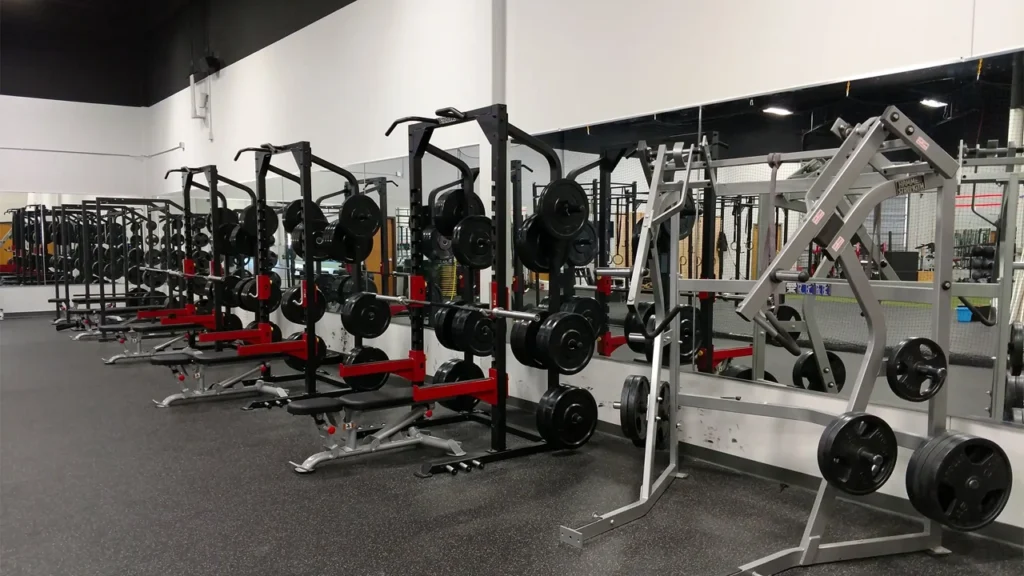
At Twin Cities Wellness Center & Recovery Gym (TCWCRG), we pair licensed outpatient treatment with guided movement because the body and mind recover together. If you’ve ever noticed a calmer mood after a walk or better sleep after light strength training, you’ve already experienced how movement can support recovery. Below is how Physical Wellness Sessions can strengthen early sobriety when they’re integrated into a clinical plan.
What Is a Physical Wellness Session?
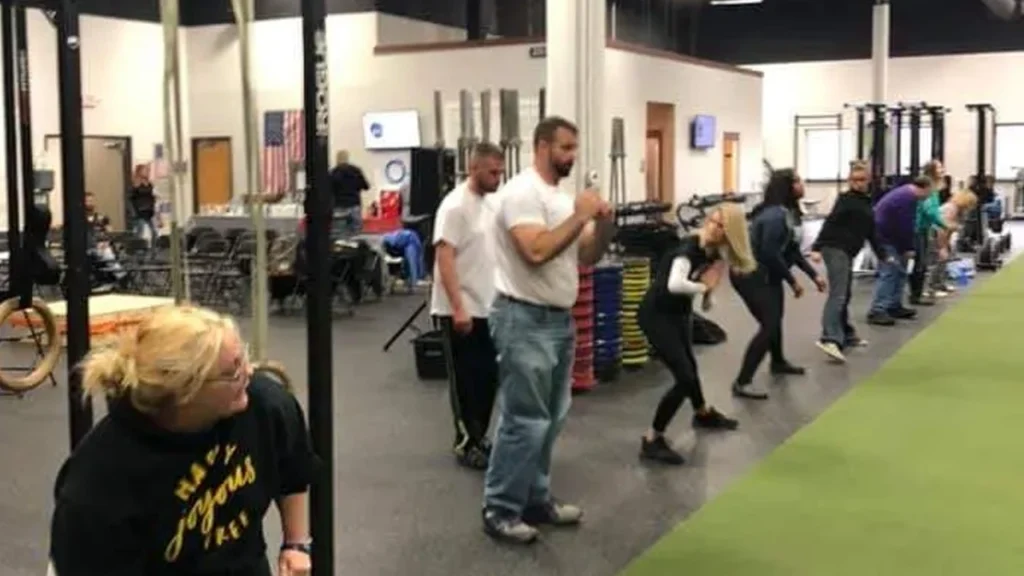
A Physical Wellness Session is a structured, supportive movement session that is part of a treatment plan. It is designed to meet you where you are physically, build healthy routines, and reinforce recovery skills in real time. At TCWCRG, these sessions are guided, goal-oriented, and aligned with the same whole-person approach used in outpatient programming, counseling, and peer support.
Why Movement Matters in Early Sobriety
Early sobriety can come with stress, restlessness, disrupted sleep, and big emotional swings. Movement gives your body a constructive outlet and can make it easier to practice coping tools you are learning in treatment. Physical Wellness Sessions are not about “training harder” or chasing performance. They focus on consistency, safety, and building a steady routine that supports long-term recovery.
Five Ways Physical Wellness Sessions Support Recovery
- Regulates stress — Gentle strength and low-impact conditioning can help reduce tension and support resilience when triggers show up.
- Improves sleep — Consistent movement supports healthier sleep patterns and can help you feel more rested during the week.
- Supports mood stability — Movement can help reduce anxiety, build confidence, and strengthen emotional regulation skills you practice in therapy.
- Builds routine — Showing up consistently creates structure, which is one of the most important foundations in early recovery.
- Reinforces accountability — Progress happens faster when goals are realistic, tracked, and supported by staff and a recovery-focused community.
What a Physical Wellness Session Can Look Like
- 5–10 minutes of mobility work to reduce stiffness and release tension
- Low-impact strength training scaled to your ability level
- Simple movement circuits that emphasize steady pacing (as appropriate)
- Cool-down, breath work, and practical strategies you can repeat at home
How Physical Wellness Integrates with Outpatient Treatment
Physical Wellness Sessions complement counseling, IOP groups, and peer recovery support. The goal is integration, not separation. You practice treatment skills in a real-world setting, such as pacing yourself, staying present through discomfort, managing stress responses, and building confidence through follow-through. Over time, movement becomes part of a stable routine that supports your recovery outside of sessions.
Getting Started
No prior fitness experience is required. We meet you where you are, keep the focus on safety and consistency, and build a plan that fits your treatment schedule.
Verify insurance and request an assessment
to learn how physical wellness support can fit into your outpatient care plan.
Educational only; not medical advice. Consult your clinician for individualized guidance.